
Every election shapes the future of healthcare.
From funding hospitals and Medicaid programs to passing state laws that affect reproductive healthcare, the people elected to public office make decisions that influence how healthcare is delivered across Iowa.
This November, Iowans will once again have the opportunity to help shape that future.
Healthcare Doesn't Change Overnight
Many of the healthcare changes Iowa has experienced over the past several years happened through the legislative process.
Recent examples include:
- Iowa's six-week abortion law.
- New restrictions on medication abortion and telehealth care.
- Healthcare conscience protections.
- Changes affecting Medicaid funding and healthcare reimbursement.
These policies were debated, amended, voted on, and signed into law over time.
The officials elected to represent Iowans played a direct role in each of those decisions.
What Healthcare Policy Can Mean in Real Life
During her first pregnancy, Helen began bleeding at 13 weeks. Her doctor intervened with medication followed by a D&C, care that stopped the hemorrhaging and protected her life. She later went on to have a successful birth.
“No one has the right to determine medical decisions for your body, especially when there are problems,” Helen shared. “Those decisions should be made by the patient and their doctor, not the state.”
Helen’s experience is a reminder that healthcare policy is not abstract. The people elected to public office help shape the laws under which doctors practice, the care patients can receive and whether medical decisions can be made based on each person’s individual circumstances.
Healthcare Affects Every Community
Healthcare policy reaches far beyond a doctor's office.
It influences:
- Access to primary care.
- Rural hospitals.
- Labor and delivery services.
- Maternity care.
- Prescription medications.
- Healthcare workforce recruitment.
- Insurance programs.
- Public health.
Whether someone lives in a rural town or a larger city, healthcare policy affects how care is delivered throughout the state.
Healthcare Access by the Numbers
Healthcare access is already changing across Iowa:
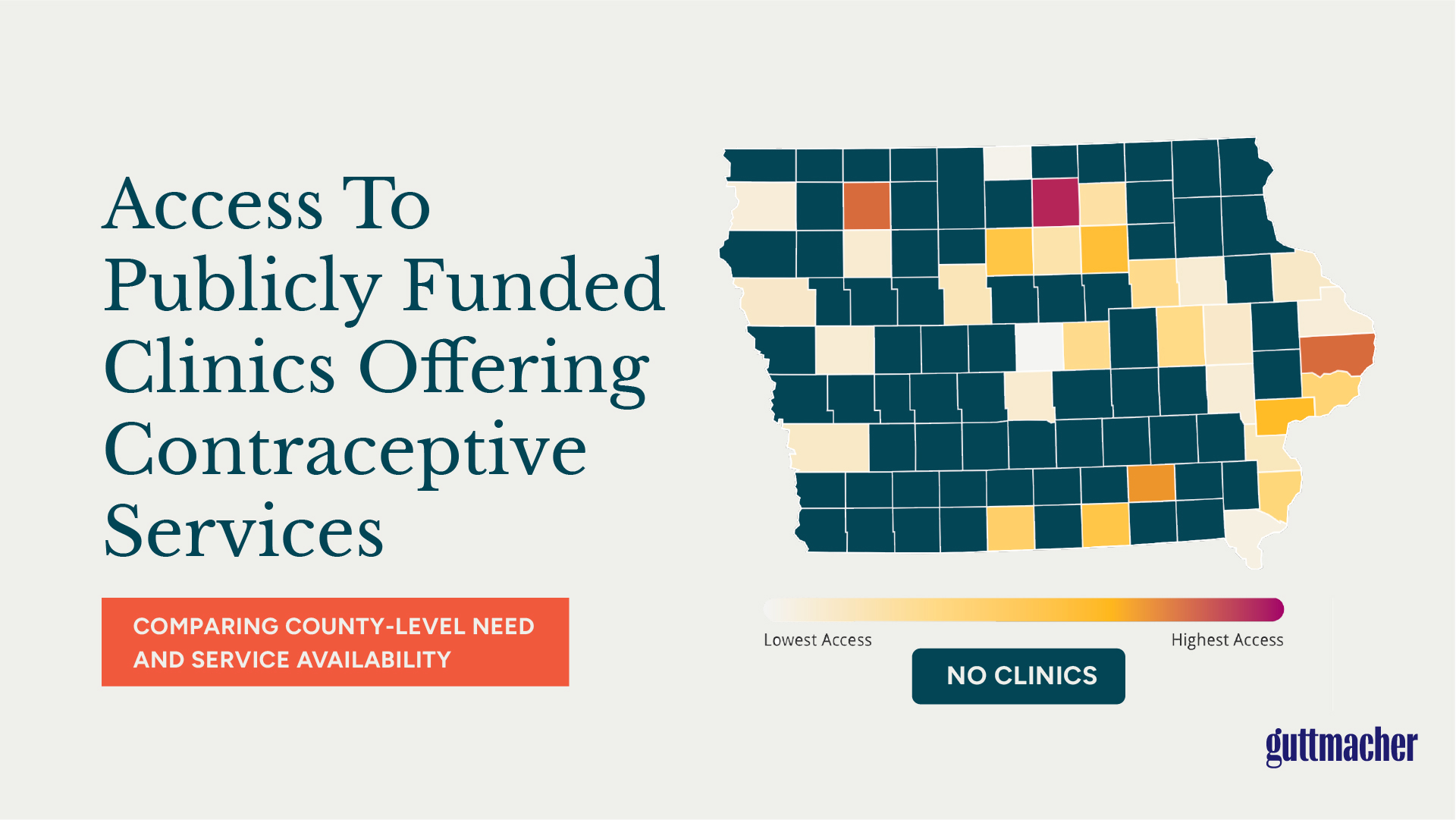
- 57% of Iowa counties have no local obstetric services.
- 39.4% of Iowa counties are classified as full maternity care deserts, with no birthing facility and no practicing obstetric provider.
These conditions are shaped by hospital finances, workforce shortages, reimbursement policies and state healthcare laws—all areas influenced by elected officials.
Learn more about Iowa’s growing maternity care deserts.
Make Your Plan to Vote
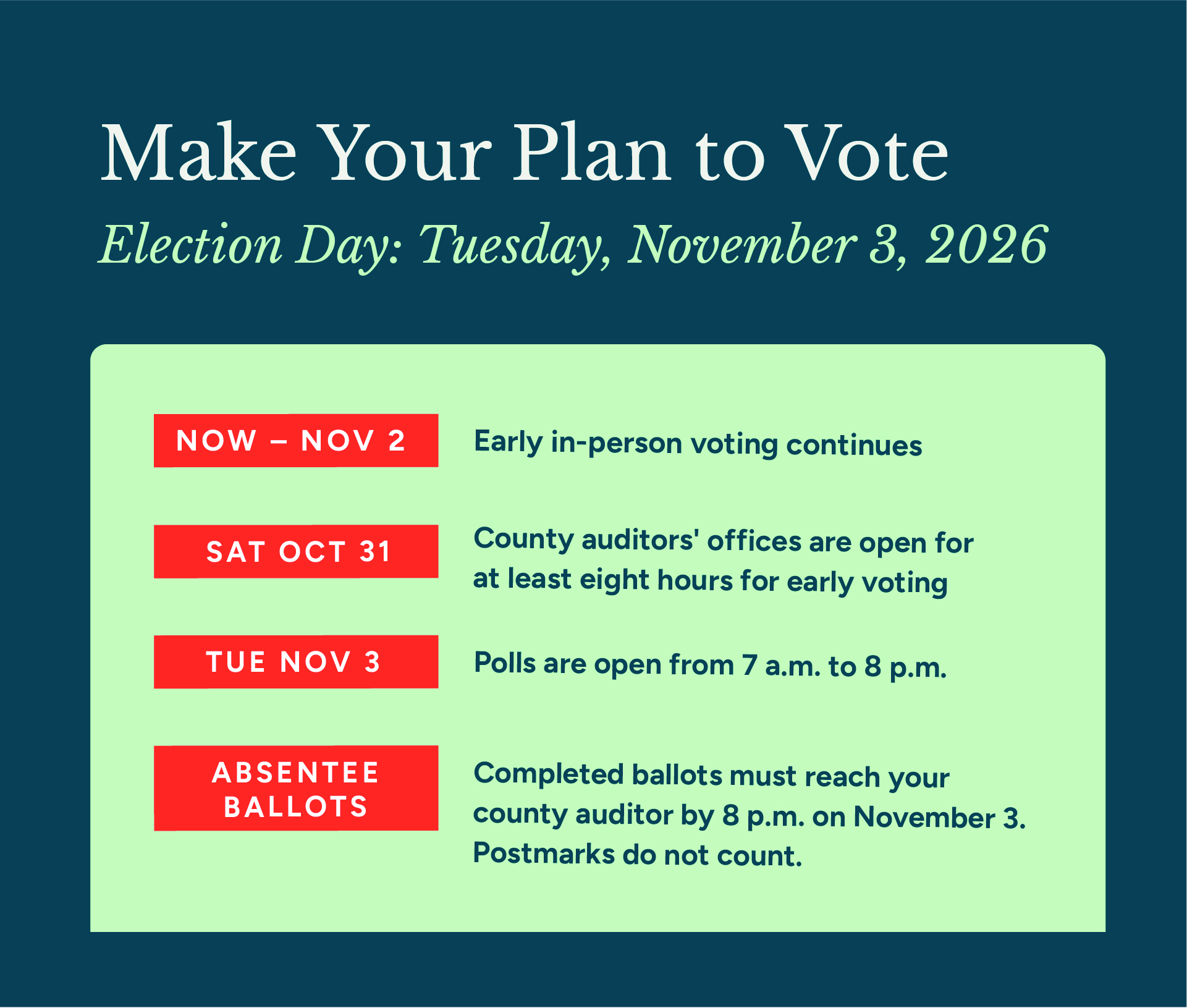
Election Day is Tuesday, November 3, 2026.
- Find your polling place before Election Day.
- Polls are open from 7:00 a.m. to 8:00 p.m.
- Bring an accepted form of identification.
- Iowa allows Election Day registration. If you need to register at the polls, bring identification and proof of your current address.
- If you already have an absentee ballot, make sure your county auditor receives it by 8:00 p.m. on Election Day.
For registration information, candidate-research tools and additional voting resources, visit our 2026 Iowa voter guide.
The Bottom Line
Healthcare is more than a campaign issue.
It affects families, providers, employers, rural communities, and patients across Iowa every day.
This November, healthcare will once again be one of many issues voters consider as they choose who will represent them in local, state, and federal government.
Looking for voting information?
Read our Iowa voter guide, key election dates, registration deadlines, and voting resources:
➡️ Your Vote Shapes Healthcare in Iowa
For more reproductive rights information and updates on Iowa healthcare access, visit our resources page or sign up for our newsletter.
Empower change.
Sign up for our newsletter and stay informed on reproductive healthcare issues in Iowa.