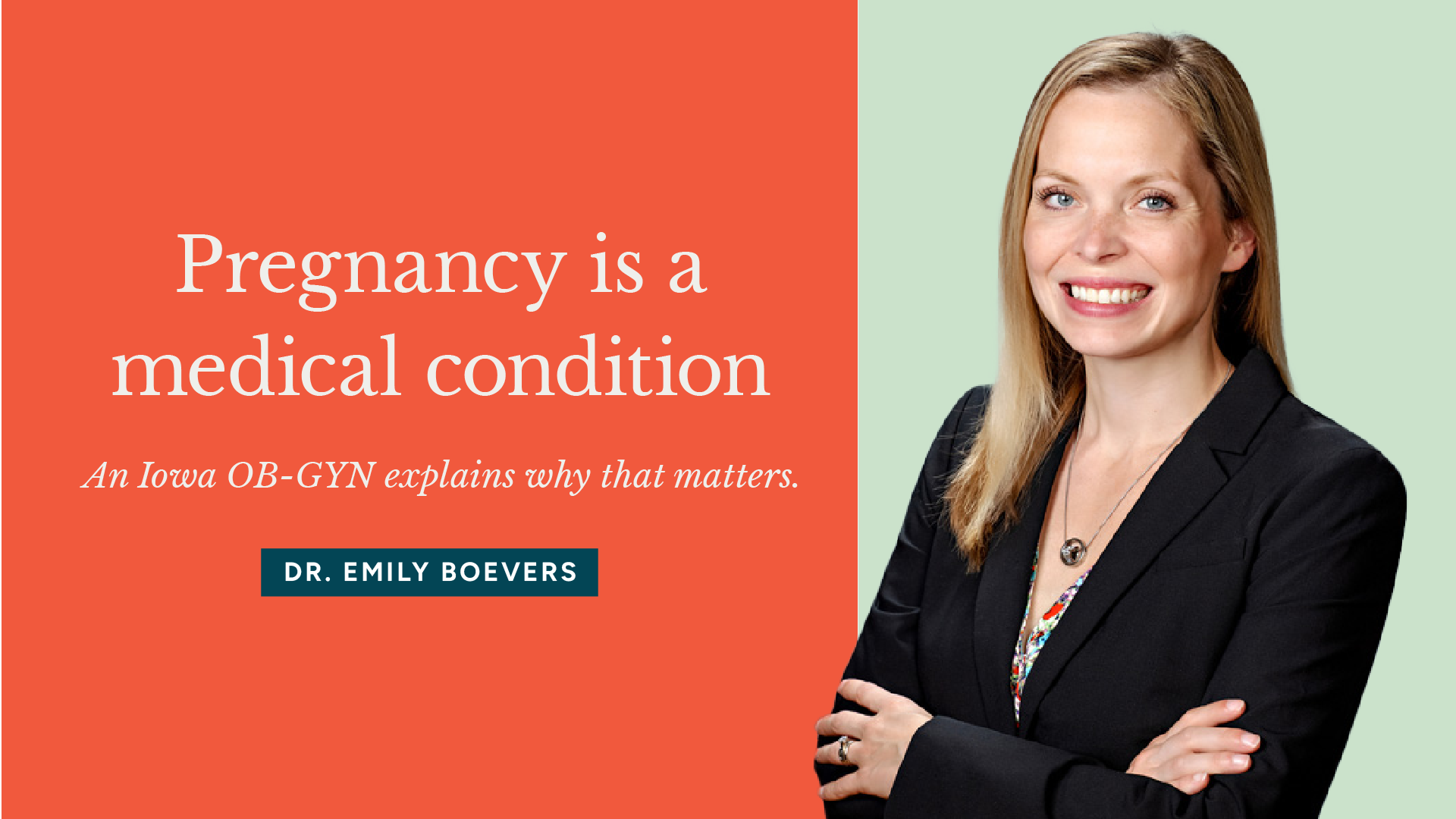

One of the most common statements I hear is, "Abortion isn't healthcare."
As an OB-GYN, I understand why people may feel that way. Many people think of healthcare as treating illness or injury, and they don't necessarily think of pregnancy in those terms.
But from a medical perspective, pregnancy is a health condition that affects nearly every system in the body. That's why reproductive healthcare—including abortion—is part of healthcare.
Pregnancy Changes the Body
From the earliest weeks of pregnancy, the body begins to change.
Many patients experience:
- Nausea and vomiting
- Fatigue
- Changes in blood pressure
- Increased risk of blood clots
- Missed work due to pregnancy symptoms
For some patients, those effects are temporary. For others, pregnancy can lead to serious medical complications.
Pregnancy Carries Real Health Risks
Pregnancy and childbirth remain associated with significant health risks, even with modern medical care.
Some patients experience:
- Severe pregnancy complications
- Hemorrhage
- Hypertensive disorders such as preeclampsia
- Emergency surgery
- Long-term health conditions
- Pregnancy loss
In rare cases, pregnancy-related complications can become life-threatening. Those realities don't mean pregnancy is inherently dangerous, but they do mean pregnancy is a medical condition that requires ongoing healthcare.
Pregnancy Can Affect Long-Term Health
The effects of pregnancy don't always end after delivery.
Research continues to examine how pregnancy can influence long-term health, including risks for certain chronic conditions later in life. Every pregnancy is different, which is why patients deserve individualized medical care based on their health, medical history, and circumstances.
Why Abortion Is Part of Healthcare
When people ask whether abortion is healthcare, I come back to one simple fact:
Pregnancy is a medical condition.
Healthcare includes caring for patients throughout that pregnancy, whether that means prenatal care, treating complications, managing a miscarriage, delivering a baby, or ending a pregnancy. These are all medical decisions made within the broader scope of reproductive healthcare.
Abortion isn't separate from healthcare. It exists within the continuum of care that OB-GYNs provide every day.
Access to Reproductive Care Has Changed in Iowa
Healthcare isn't only about what treatments exist. It's also about whether patients can access them.
Beginning July 1, 2026, Iowa law changed how medication abortion can be provided. Patients must now have an in-person visit with a physician to receive medication abortion through an Iowa provider.
Previously, eligible patients could receive care through telehealth, allowing them to meet with a physician remotely before receiving medication. That option is no longer available for Iowa providers.
For many patients, especially those living in rural communities, that means additional barriers to care.
When Care Moves Farther Away
Access to healthcare affects more than one patient, it affects entire families.
When care isn't available close to home, patients may need to:
- Drive several hours for an appointment
- Take unpaid time off work
- Arrange childcare
- Pay for transportation or lodging
- Delay receiving care because of cost or distance
Those barriers exist whether someone is seeking prenatal care, miscarriage care, or medication abortion. Access matters because healthcare is most effective when patients can receive it safely, promptly, and close to home.
The Bottom Line
As physicians, we care for patients through every stage of pregnancy.
That includes helping people become pregnant, supporting healthy pregnancies, treating pregnancy complications, caring for miscarriages, delivering babies, and, when medically appropriate and legally available, providing abortion care.
These services are all part of reproductive healthcare because pregnancy itself is a medical condition.
Every patient deserves evidence-based care, honest medical information, and the ability to have informed conversations with their healthcare provider.
For more reproductive rights information and updates on Iowa healthcare access, visit our resources page or sign up for our newsletter.
Empower change.
Sign up for our newsletter and stay informed on reproductive healthcare issues in Iowa.